

Improving your fitness doesn’t always mean hours in the gym or extreme diets. Research shows that gradual adjustments to movement, posture, and activity can improve strength, flexibility, and cardiovascular health significantly. These tiny tweaks often compound, making your daily routine more efficient without overwhelming your schedule. Let’s explore practical ways to implement them.
Optimize Your Posture Daily

If thinking outside the box for your fitness goals suddenly becomes appealing, instead of starting with intense workouts like everybody else, your fitness journey should start with good postures. Standing or sitting with correct posture can transform your energy and reduce injury risk. Studies indicate that postural improvements engage core muscles more effectively and can enhance movement efficiency. Simple actions make a measurable difference. For instance, you can adjust your workstation or do a few posture-focused stretches each morning. Even small cues, like tucking your shoulders and elongating your spine, can prevent long-term strain. Over weeks, these minor corrections contribute to better form during exercise, boosting overall performance.
Incremental Movement Additions
Adding small bursts of activity, like a brisk 5-minute walk after meals, can significantly impact your fitness. Research shows that micro-activities increase calorie expenditure and improve insulin sensitivity, even in people with sedentary jobs. You don’t need an hour-long workout. These tiny bursts can accumulate for noticeable results. Stairs instead of elevators, short mobility breaks, or walking meetings are all ways to weave more movement into your day. Over time, these small steps compound into improved cardiovascular endurance and general mobility.
Adjust Your Exercise Intensity Gradually

Instead of jumping into high-intensity routines, slight increases in effort can produce better adherence and outcomes. A study from the Journal of Strength and Conditioning found that progressive overload, even in small increments, builds strength and endurance efficiently. Small adjustments like adding a few reps, a little weight, or an extra set can make your workouts more effective. Gradual intensity also reduces the risk of burnout and injury. Your muscles adapt steadily, allowing consistent progress without the stress of extreme routines.
Prioritize Recovery in Small Ways
Recovery doesn’t need to be elaborate. Short stretching sessions, foam rolling, or a few minutes of mindful breathing each day can aid muscle repair and reduce fatigue. Research indicates that even minimal recovery interventions improve circulation and reduce soreness after workouts. Hydration, quality sleep, and short breaks between training sessions amplify gains without adding more gym time. These small, manageable habits ensure your body performs better in each session.
Track Tiny Wins

Keeping a simple record of your activity, reps, or improvements motivates continued effort. Studies show that tracking progress increases accountability and adherence, even for minor goals. Recording micro-changes makes your achievements visible and encourages further small improvements. Celebrating these small victories reinforces habit formation and builds momentum. You’ll find that tiny, consistent improvements compound into major fitness wins over weeks and months. Implementing small, consistent changes can significantly improve movement, strength, and overall health.





 Ultimately, tooth decay and cavities are the unfortunate result of excessive sugar intake. Over time, if left unchecked, this acid erosion can lead to tooth decay and cavities. Cavities are essentially small holes that form on the surface of your teeth when the enamel breaks down due to acid exposure.
 When we talk about wellness, we must remember that it includes all types of health, such as physical, emotional, cognitive, and social health, as well as occupational health. If we consider the term “health” in its broadest sense, it is quite easy to understand that plastic surgery can have a beneficial impact on the patient’s well-being. The healthier we are, the greater and more satisfying our lives can be.
 Patients who have lost an excessive amount of fat have changed their lifestyle. They have adopted healthier and wholesome diets while also considering the importance of routine exercise. But patients who have lost 50 pounds or more are often left with loose skin. Regardless of what you read on the internet and what you hear in commercials, no cream or exercise can make droopy skin retract and return it to its normal state. For people who have lost a lot of weight, many different types of plastic surgery procedures can be used so that they can see and embrace the results of their hard work.

 Of all of the things healthy we could do to at least conserve our hormones, sleep is number one. For those who want
 Long-term bodybuilding changes the composition of the body. Through resistance training, your body becomes stronger and leaner. This change is not only a beneficial adjustment for your short-term well-being, but it can also help as you age. According to studies, muscle mass loss could begin as early as age 35 and without regular physical activity. Maintaining muscle mass and endurance can help you live independently and increase your well-being, making it one of the benefits of bodybuilding.
 The 5:2 diet is a type of intermittent fasting in which calories are taken only five times a week and restricted to two other days. Women eat 500 calories two days a week and 2,000 calories for another five days. Men eat 600 calories two days a week and 2,400 calories on the second five days. The 5:2 diet has been shown to burn only fat, about 1 pound per week. Just remember to stay within the 2,000-2,400 range. Focus on being hungry and feeling full. Try to make sure that your two favorite “fasting” times are not on consecutive days, or you may be tempted to eat your arm off starting at the 48th hour!
 Be sure to drink plenty of non-caloric beverages on fasting days, preferably tea, water, or coffee. Fast day calories can be consumed throughout the day, although Mosley prefers to split them between breakfast and dinner, which comprises 12 hours. Some research on alternate day fasting shows that people eat all their calories in one sitting around lunch. Calorie counting could be a cause of relapse or increased eating disorders. Nutritionists recommend this type of diet for people who can’t lose weight, no matter how healthy their foods and portion sizes are. Kantor adds that this diet may seem strict and should not only be followed immediately.


 Seeking family and friends’ support can also help in the enthusiast’s struggle to overcome this problem.





 A study has shown that medical marijuana can miraculously increase a client’s mood and even act as a mild sedative. It can easily remove melancholy and nervousness from a person’s mind. It also helps people focus on their work and increases their psychological creativity.

 Aside from apples for acid reflux prevention, other fresh fruits like bananas, berries, melons, peaches, and pears have been regarded as exceptionally safe as they don’t activate any GERD symptoms within the body. Fresh vegetables like beans, broccoli, carrots, and cabbage are unlikely to trigger GERD symptoms in any way.




 No other factor gives clients more confidence than this one. A company or team of experienced experts have all that it takes to finish the problem once it occurs.

 The first step you can do is to change your diet. If you’re used to eating fast food and drinking alcohols, perhaps it is time to start a change. There are tons of diets you can try such as vegan, keto, 30-meal plan and many more, depending on what you want.
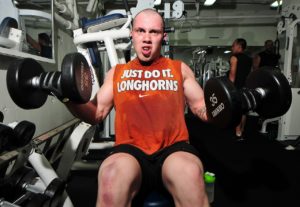 This tip is probably obvious, and you should do more of this. If you want to stay healthy, make sure to exercise more, for the very least fifteen minutes of jogging is better than doing nothing at all.